

Proper drainage systems are an essential component of modern infrastructure, playing a critical role in managing water flow and preventing potential damage. These systems are designed to safely redirect and direct water away from buildings, roads, and other structures, helping to prevent flooding, erosion, and waterlogging.
Beyond their functional benefits, effective drainage contributes to public health by reducing standing water, which can become a breeding ground for pests and diseases. Understanding the types, importance, and benefits of drainage systems is essential to appreciate their role in creating safer and more sustainable communities.
Types of Drainage Systems
Drainage systems can generally be classified into two main categories: surface drainage systems and subsurface drainage systems.
Surface Drainage Systems
These systems are designed to remove excess water from the surface of the land, such as rainwater, runoff, or irrigation water. Surface drainage typically involves the use of shallow ditches, channels, or slopes that guide the water away from the affected area. This type of drainage is commonly used in agricultural fields and urban areas to prevent water pooling, which can lead to flooding and soil erosion.
Subsurface Drainage Systems
A subsurface drainage system focuses on removing water that accumulates below the soil’s surface. This is particularly useful in areas with high water tables or poor soil drainage. These systems employ underground pipes, perforated drains, or tile drainage networks to collect and redirect water away from the saturated soil. Subsurface drainage is crucial for improving soil stability and ensuring better agricultural productivity.
Some other specialized drainage types include slope drainage, which prevents water from accumulating on steep terrain, and French drains, a practical underground system designed for both residential and commercial property management.
Importance of Proper Drainage Systems in Daily Life

Proper drainage systems play a vital role in daily life by maintaining the safety, functionality, and overall quality of living environments. They prevent water from pooling in unwanted areas, which can lead to structural damage, soil erosion, and flooding. Additionally, effective drainage systems contribute to a healthy living environment by preventing water accumulation that can lead to mould and mildew growth, thereby improving indoor air quality and overall health for residents.
Effective drainage systems also reduce the risk of waterborne diseases by minimizing stagnant water, which serves as a breeding ground for pests like mosquitoes. Additionally, in urban areas, proper drainage ensures that rainfall and wastewater are managed efficiently, preventing disruptions in infrastructure and protecting roadways, homes, and public spaces from excessive water damage. Furthermore, specialized underground drainage systems play a crucial role in maintaining the water supply by preventing toxic runoff from contaminating local water sources.
Beyond these practical benefits, well-designed drainage systems contribute to environmental sustainability by controlling runoff and preventing contamination of nearby water bodies.
How Drainage Systems Work?
Drainage systems function through a network of pipes, channels, and infrastructure designed to manage the flow of water effectively. These systems often begin with surface drains, which collect rainwater and runoff from streets, rooftops, and other surfaces.
Managing water drains is crucial for water reuse. Redirecting water that drains from yards into gardens or rain barrels can conserve this valuable resource and prevent its loss through evaporation.
The collected water is then directed into underground pipes or open channels, which transport it to designated outlets such as rivers, lakes, or treatment facilities. To ensure efficiency, drainage systems are designed with a slight gradient, allowing water to flow naturally due to gravity.
Some systems also incorporate pumps to manage water in low-lying areas. Advanced drainage systems may include features like filtration units to remove debris, sediment traps to prevent blockages, and mechanisms for separating pollutants, ensuring the safe discharge of water back into the environment.
The Role of Drainage Systems in Urban and Rural Areas

Drainage systems play a crucial role in both urban and rural areas, albeit with distinct priorities and challenges. In urban environments, where impermeable surfaces like roads and buildings dominate, effective drainage systems are essential to manage stormwater runoff, prevent flooding, and reduce waterlogging during heavy rains. Storm drains are integral to these systems, efficiently redirecting excess rainwater away from properties to prevent water damage and maintain urban infrastructure.
These systems help protect infrastructure, safeguard public health, and maintain efficient transportation networks. Additionally, urban drainage systems are often more complex, incorporating underground pipelines, retention basins, and treatment facilities to handle the large volume of water and pollutants generated by dense populations.
On the other hand, in rural areas, drainage systems primarily focus on agricultural needs and land management. Proper drainage ensures that farmland remains productive by preventing soil erosion, managing irrigation runoff, and maintaining optimal soil conditions for crops. Subsurface drainage systems specifically designed for agricultural lands play a crucial role in managing water levels and preventing waterlogging, thereby enhancing soil aeration and plant growth.
Rural drainage systems are often simpler, relying on open ditches, canals, or natural waterways to channel water effectively. Regardless of the setting, advancing drainage infrastructure is critical to fostering sustainable development and supporting resilient ecosystems.
Problems Caused by Inadequate Drainage Solutions
Inadequate drainage solutions can lead to a host of problems, both environmental and economic. Poorly managed drainage often results in waterlogging, which can damage crops, reduce agricultural productivity, and hinder plant growth by depriving root zone of oxygen. Effective drainage systems manage and redirect drain water, preventing these issues and ensuring healthier plant growth.
Additionally, stagnant water increases the risk of waterborne diseases and becomes a breeding ground for pests, such as mosquitoes. Urban areas without proper drainage systems face intensified flooding during heavy rainfall, which damages infrastructure, disrupts transportation, and incurs costly repairs. Proper drainage systems help prevent soil erosion, protecting the environment and reducing the risk of flooding in homes.
Furthermore, ineffective drainage contributes to soil erosion and the degradation of natural waterways, ultimately threatening local ecosystems and biodiversity. Addressing these challenges requires targeted investments in designing and maintaining efficient drainage systems.
Benefits of Proper Drainage Systems
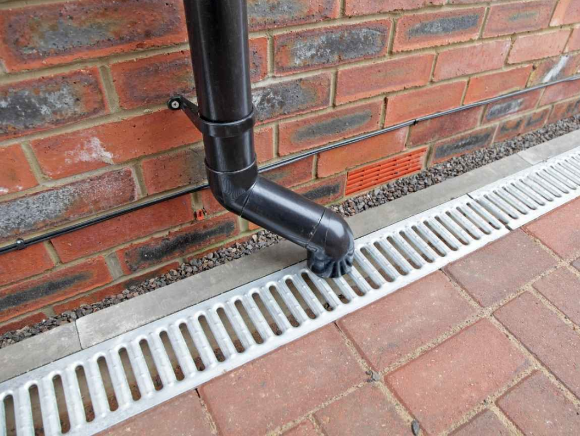
Proper drainage systems offer a wide range of benefits, including:
Preventing Flooding
Water drainage systems play a critical role in preventing flooding by efficiently channeling excess rainwater away from urban and rural areas. By reducing surface water accumulation, these systems help mitigate the risks of property damage, displacement, and economic loss caused by flooding.
Protecting Infrastructure
Well-maintained drainage systems safeguard infrastructure by preventing waterlogging that can weaken the foundation of buildings, roads, and public utilities. Proper drainage is crucial in protecting basement walls from water damage, thereby safeguarding the structural integrity and preventing costly repairs. This prolongs the lifespan of essential structures and reduces the frequency and cost of repairs, ensuring the durability of critical investments.
Health and Sanitation
Effective drainage systems contribute to improved health and sanitation by minimizing stagnant water, which can serve as a breeding ground for disease-carrying pests like mosquitoes. They also reduce the risk of waterborne diseases caused by contaminated water, promoting public health and well-being.
Environmental Sustainability
Beyond addressing immediate human concerns, proper drainage protects the environment by preventing soil erosion and maintaining the integrity of natural waterways. By controlling water flow, these systems help preserve ecosystems, protect biodiversity, and support long-term environmental sustainability.
Sewage treatment plants play a crucial role in preventing contamination by processing and cleaning wastewater before it is discharged into local waterways. Additionally, proper drainage can prevent sewage overflow and contamination of natural water sources, reducing the environmental impact of human waste. This is particularly important in urban areas where large amounts of wastewater are produced.
Economic Benefits
In addition to its environmental and health benefits, proper drainage also has economic advantages. By preventing flooding, it protects property and infrastructure from damage. This includes homes, roads, buildings, and other structures that could be affected by excess water. It also helps maintain a stable foundation for buildings and prevents damage to agricultural land.
The construction industry plays a crucial role in implementing these drainage systems, promoting sustainable building materials, and ensuring eco-friendly structures that can withstand various environmental factors.
Moreover, well-designed drainage systems can help boost local economies by creating job opportunities for construction workers, engineers, and maintenance personnel. These systems require regular upkeep and monitoring to ensure their
Common Problems Caused by Improper Drainage Systems

Improper drainage systems can lead to a variety of problems that can have serious consequences for both individuals and communities. Here are some common problems caused by improper drainage systems:
Soil Erosion
Improper drainage systems can lead to soil erosion, where water flow gradually wears away the topsoil. Managing water flow on the ground surface is crucial to prevent excess rainwater from causing flooding and damage to lawns and gardens. This can degrade agricultural land, reduce soil fertility, and negatively impact plant growth, making it a serious environmental concern.
Waterlogging
When water is not effectively drained, it can accumulate and result in waterlogged areas. Slow drainage caused by obstructions like leaves, grease, and dirt can exacerbate this issue, leading to more severe backups. This can damage crops, hinder plant growth, and create stagnant water conditions, which may contribute to the breeding of pests such as mosquitoes.
Contamination of Water Sources
Faulty drainage systems can cause pollutants like sewage, chemicals, and waste to mix with clean water sources. This contamination poses risks to public health and can lead to the spread of diseases.
Property Damage
Excessive water accumulation due to poor drainage can damage buildings, roads, and other infrastructure. Having drainage systems properly installed is crucial to prevent issues like stagnant water and structural damage, enhancing both the aesthetic and functional aspects of properties.
This includes weakening foundations, causing cracks, and increasing the risk of structural failures, leading to costly repairs and safety hazards. In extreme cases, flooding caused by faulty drainage can also result in complete loss of property.
Environmental Impact
Poorly designed or maintained drainage systems can have significant negative impacts on the environment. Pollutants that enter water sources through faulty drainage not only harm aquatic life but also affect plants and other organisms that rely on clean water for survival. This contamination can disrupt entire ecosystems and cause long-lasting damage to the environment.
Soil Erosion
In addition to damaging buildings and infrastructure, poor drainage can also lead to soil erosion. When excess water cannot drain properly, it accumulates and increases the weight of the soil, causing it to shift and move. This movement can result in landslides, mudslides, and other types of erosion that can impact agricultural land, wildlife habitats, and natural landscapes.
Key Components of an Effective Drainage System

An effective drainage system requires several key components to ensure proper water management and prevent potential damage to the environment and infrastructure. These components include:
- Surface Drains – Surface drains are designed to collect and redirect excess rainwater or runoff from paved areas, roofs, and other impermeable surfaces. They help prevent pooling and flooding by efficiently channeling water away from critical areas.
- Subsurface Drains – These drains are installed below ground to manage water that infiltrates the soil. Subsurface water drainage systems, such as French drains or perforated pipes, are essential for controlling water levels in the soil and preventing waterlogging. Properly installed drainage pipes are crucial for directing water away from foundations and maintaining the integrity of home structures.
- Slope and Grading – Proper slope and grading are crucial for directing water flow away from structures, roads, and other vulnerable areas. A well-graded landscape ensures that water naturally follows the intended drainage paths. Sump pumps play a vital role in preventing basement flooding and managing water accumulation around homes, especially in areas with heavy rainfall.
- Retention or Detention Basins – Retention and catch basins provide temporary storage for excess water, allowing it to either absorb into the ground or gradually flow into drainage systems. These features are particularly useful for managing stormwater in areas prone to heavy rainfall.
- Regular Maintenance – Regular maintenance of drainage systems, including clearing debris and inspecting components, ensures their continued functionality. Neglecting maintenance can result in clogged drain tiles or damaged infrastructure.
By integrating these key components, a drainage system can effectively manage water, reduce the risk of erosion, and protect both the natural environment and built structures.
Features of an Efficient Drainage System

An efficient drainage system should have the following features:
- Proper Gradient: An efficient drainage system requires an adequate slope to ensure the smooth flow of water without stagnation.
- Durable Materials: Using high-quality, weather-resistant materials ensures the drainage system can withstand environmental stress over time.
- Flood Prevention Design: Features such as retention ponds or overflow channels help manage excess water during heavy rainfall.
- Effective Filtration: Including grates or filters prevents debris from entering and clogging the drainage system.
- Eco-Friendly Integration: Incorporating elements like bioswales or permeable surfaces reduces environmental impact while enhancing functionality.
- Accessibility for Maintenance: An efficient system allows easy access for cleaning, repairs, and inspections to maintain its effectiveness.
- Aesthetic Appeal: With creative design, drainage systems can be aesthetically pleasing and seamlessly blend into the landscape of a property.
A well-designed drainage system is crucial in protecting a home’s foundation from water damage. It effectively manages water flow to prevent issues such as soil erosion, flooding, and mold growth, thereby ensuring structural integrity and enhancing the overall value of the property.
Some additional points to consider in regards to effective drainage systems include proper slope and grading, as well as regular maintenance and upkeep.
Innovations in Drainage Technology
Recent advancements in drainage technology have revolutionized the way water management systems operate, improving both efficiency and sustainability. One significant development is the use of permeable pavement, which allows rainwater to infiltrate the ground naturally, reducing runoff and replenishing groundwater. Additionally, the use of new materials in these systems helps reduce greenhouse gas emissions, making them a more environmentally-friendly option.
Additionally, smart drainage systems equipped with sensors and IoT (Internet of Things) integration have emerged, enabling real-time monitoring of water flow and identifying potential blockages or flooding risks before they occur. These new technologies also significantly reduce energy consumption, further enhancing their sustainability.
Another innovation is the adoption of modular drainage designs, which offer flexibility and scalability based on specific site requirements. These systems are often made from recycled materials, contributing to eco-friendly construction practices.
Bio-engineered solutions, such as bioswales and rain gardens, have also gained traction as they not only manage water efficiently but also enhance local biodiversity and improve air quality.
Together, these technological advancements point toward a future where drainage systems are smarter, more sustainable, and seamlessly integrated into urban and rural environments.
How to Improve Drainage Systems for Future Sustainability?
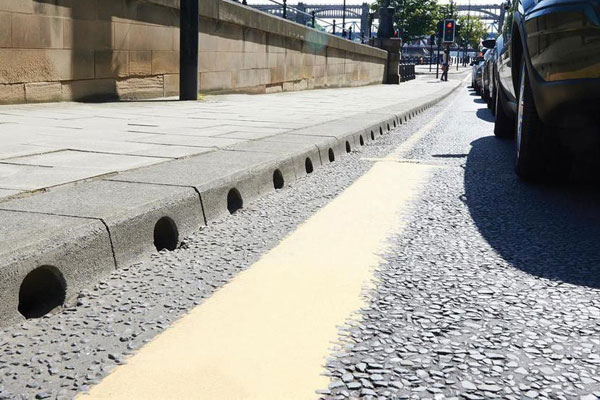
As climate change continues to impact our planet and extreme weather events become more frequent, it is crucial that we prioritize the development of sustainable drainage systems. Traditional methods of managing stormwater runoff are no longer sufficient and can lead to environmental degradation, water pollution, and damage to infrastructure.
To improve drainage systems for future sustainability, there are several key factors that need to be considered:
Government and Policy Measures
Governments play a critical role in enhancing drainage systems through effective policies and regulations. Investing in infrastructure upgrades, adopting stringent building codes, and promoting the use of sustainable drainage systems (SuDS) can significantly mitigate water management challenges.
Construction projects play a crucial role in implementing these drainage systems, ensuring that materials and methods used are sustainable and effective.
Policies focused on urban planning should consider flood-resilient designs and prioritize green infrastructure projects. Additionally, providing incentives for eco-friendly technologies and enforcing regular maintenance of public drainage networks are key steps in ensuring long-term efficiency and resilience.
Community and Individual Efforts
Communities and individuals can actively contribute to improving drainage systems in several impactful ways. Educating residents about proper waste disposal and the importance of maintaining clean water channels can prevent blockages and enhance system functionality. Proper drainage system installation can also help reduce water bills by minimizing the need for additional water usage and lowering the costs associated with water waste.
Citizens can also participate in local environmental initiatives, such as tree planting, which reduces runoff and enhances soil absorption. On a smaller scale, individuals can implement rainwater harvesting systems, permeable paving, and green roofs to mitigate pressure on existing drainage infrastructure.
Collaboration Between Stakeholders
Addressing drainage issues requires a unified approach involving multiple stakeholders, including government bodies, private industries, environmental organizations, and local communities. Public-private partnerships can accelerate the development and adoption of innovative technologies while sharing costs and resources.
The construction process is crucial in implementing effective drainage systems, especially during the monsoon season when heavy rain and humidity can pose significant challenges. Open dialogues between stakeholders can foster innovative solutions, such as integrated water management plans tailored to specific regional needs. Ultimately, fostering collaboration ensures that drainage systems are not only sustainable but also inclusive in addressing the demands of growing populations and changing climates.
Cost of Neglecting Drainage Maintenance

Neglecting drainage maintenance can result in significant financial, environmental, and social costs. Poorly maintained systems are prone to blockages, leading to flooding that can damage infrastructure, disrupt transportation, and harm residential and commercial properties.
Proper installation is crucial in preventing costly repairs and ensuring efficient water management. A well-installed drainage system, along with regular maintenance, plays a crucial role in protecting properties from water damage and maintaining a safe environment.
The financial burden of repairing such damage often surpasses the costs of regular maintenance. Environmental impacts, such as water contamination and the destruction of ecosystems, are also common consequences of inadequate upkeep. These issues can contribute to health risks for local communities, including the spread of waterborne diseases.
Furthermore, neglect can exacerbate the effects of climate change, making systems ill-equipped to handle unpredictable weather patterns. Proactively investing in drainage maintenance is therefore essential to avoiding these costly and far-reaching outcomes.
The Future of Drainage Systems
The future of drainage systems lies in the integration of advanced technologies and sustainable practices. Smart drainage solutions, equipped with sensors and real-time monitoring systems, can detect blockages, measure water levels, and predict potential overflows. Effective drainage solutions are crucial for preventing water damage, avoiding soil erosion, and enhancing property value, ensuring a healthy living environment and compliance with building regulations.
These innovations enable proactive maintenance and rapid response, reducing the risk of flooding and other issues. Additionally, green infrastructure, such as permeable pavements, green roofs, and bio-retention areas, is becoming increasingly popular for managing stormwater sustainably.
By incorporating these methods, modern drainage systems not only address immediate needs but also contribute to climate resilience and environmental preservation. Investing in research and development will ensure that drainage systems evolve to meet the challenges of urbanization and climate change.
Conclusion
In conclusion, effective drainage systems are indispensable for maintaining healthy, sustainable, and resilient urban environments. By integrating innovative technologies, green infrastructure, and strategic planning, cities can mitigate the adverse impacts of urbanization and climate change. Continued investments in sustainability and adaptation will not only enhance the efficiency of these systems but also safeguard communities and the environment for generations to come.
FAQs
Why are drainage systems important in urban areas?
Drainage systems are crucial for managing excess water from rainfall, preventing flooding, reducing water pollution, and maintaining the overall functionality and safety of urban environments.
What is green infrastructure in drainage systems?
Green infrastructure refers to environmentally friendly solutions, such as rain gardens, permeable pavements, and green roofs, which mimic natural processes to manage stormwater sustainably and improve water quality.
How can drainage systems help combat climate change?
Drainage systems help combat climate change by adapting to increased rainfall patterns, reducing urban flooding, and supporting sustainable water management practices, which contribute to more resilient cities.
What are some innovative technologies used in modern drainage systems?
Innovative technologies include smart sensors for real-time monitoring, automated flood gates, advanced water filtration systems, and stormwater harvesting setups to improve efficiency and sustainability.
How can individuals contribute to improving urban drainage?
Individuals can contribute by reducing litter, maintaining clean drains, using sustainable landscaping practices, and advocating for green infrastructure projects in their communities. Additionally, conserving water usage can help reduce the strain on drainage systems.