
Understanding the Cost of Installing a French Drain: 2024 Breakdown
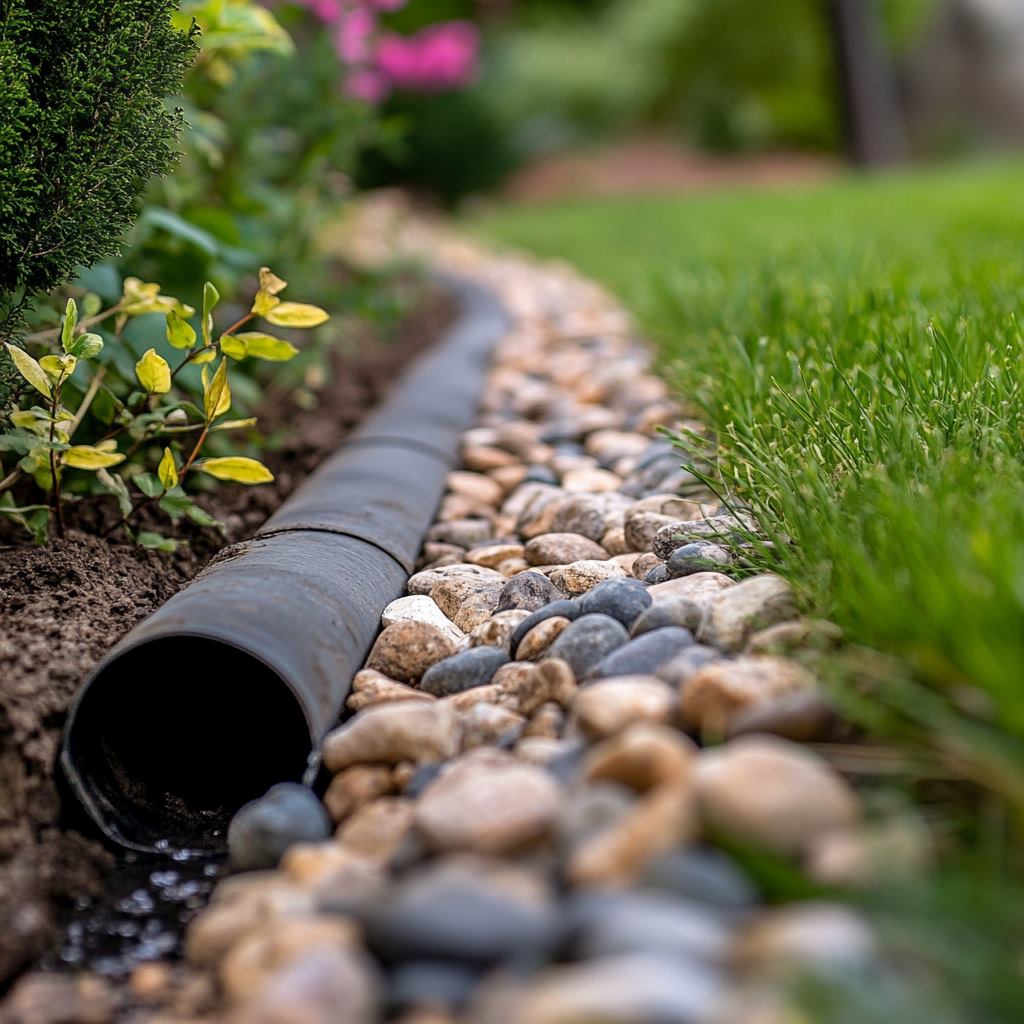
Installing a French drain is a practical solution to manage water drainage issues and protect your property from surface water and potential damage. Whether you’re dealing with a wet basement, a soggy crawl space, or general drainage problems, installing a French drain system can help. But how much does it cost to install a French drain in 2024?
The answer depends on several factors, including labor costs, material choices like PVC or perforated pipe, and the size of your project, whether it’s a shallow exterior French drain or a more complex interior French drain system. Understanding these variables will give you a clear picture of your investment. So, let’s start by breaking down the costs step by step.
Factors Influencing French Drain Installation Costs

Several elements impact the overall cost of installing a French drain. One of the primary considerations is the size and scope of the project, often measured in linear feet or square feet, depending on the drainage area.
Larger systems, such as those addressing extensive surface water issues or requiring work in a crawl space, naturally incur higher expenses. The choice of materials also plays a role, with options like PVC pipe or perforated pipe affecting the final cost.
Additionally, the type of drainage system, whether a shallow exterior French drain or a more complex curtain drain, can influence expenses due to varying levels of excavation and installation requirements.
Finally, the regional cost of labor and specific challenges like rocky terrain or tight spaces may significantly impact the total costs.
Labor Costs For Drainage System Projects

Labor costs are critical to any French drain pipe installation project and can vary significantly depending on project complexity and location. Installing shallow exterior French drains generally requires less effort and time, resulting in lower labor charges.
However, more intricate systems, such as those involving crawl space areas or deep excavation, demand heightened expertise and more working hours. On average, labor costs are calculated per linear foot, making detailed measurements essential for accurate estimates.
Additionally, factors such as accessibility to the worksite, soil conditions, and the need for specialized equipment can increase labor expenses. If the project involves additional features like a sump pump installation, these will add to the labor costs, requiring skilled technicians to ensure proper integration within the drainage system.
Material Options Like PVC Pipe Or Gravel
The choice of materials plays a crucial role in the functionality and longevity of installing a French drain system. Common material options include perforated PVC pipes, corrugated pipes, and gravel or crushed stone. PVC pipes are highly durable, resistant to clogging, and can withstand significant pressure, making them ideal for long-term applications.
On the other hand, corrugated pipes are more flexible and easier to install but may require more frequent maintenance. Gravel or crushed stone serves as the foundation of the drainage system, allowing water to flow freely while filtering debris.
A properly graded gravel bed enhances the system’s efficiency, ensuring long-lasting performance. The right combination of materials is essential to building a robust French drain system tailored to specific site conditions and expected water flow levels.
Cost Differences For Shallow Exterior French Drains
Shallow exterior French drains are more cost-effective than deeper or more complex systems. The lower costs are primarily attributed to minimal excavation work and faster installation times. With reduced labor requirements, the overall expenses for shallow drains are significantly lower.
Additionally, they often use fewer materials, such as shorter lengths of pipe and less gravel, which further brings down costs. These systems are typically employed to address surface water issues, making them a practical solution for homeowners looking for an affordable drainage option.
However, the exact costs may vary based on property size, the quality of materials used, and regional pricing trends. Homeowners should ensure that shallow drains are sufficient to handle their specific water drainage needs before deciding on this cost-effective option.
Calculating Expenses Per Linear Foot Or Square Foot
When budgeting for a French drain installation, calculating costs per linear foot or square foot is an effective way to estimate expenses. The price per linear foot typically includes excavation, pipe installation, gravel, and landscaping restoration.
On average, homeowners can expect to pay between $10 to $50 per linear foot, depending on the depth and soil conditions. For installations requiring additional waterproofing measures or premium materials, this rate increases.
On the other hand, square foot costs are often calculated for more extensive drainage systems, such as those covering larger yard areas or serving commercial properties. Here, fees may range from $1 to $5 per square foot, adjusted based on the system’s complexity. These estimates vary widely, so obtaining multiple quotes from contractors is vital for accurate planning.
Assessing Costs For Sump Pump Installation
The cost of installing a sump pump ranges widely depending on the type of pump, labor fees, and regional variances. On average, homeowners might spend between $1,000 to $3,000 for a complete installation, which covers both the pump and labor costs.
Basic pedestal sump pumps are more affordable, generally costing $75 to $200 for the unit, but they may need more durability and efficiency than submersible models. Submersible sump pumps, priced between $150 and $400, tend to be sturdier and more discreet.
Additional costs include sump pit excavation, waterproofing materials, and electrical wiring, which can add $500 to $1,000 to the final price. Homeowners should also anticipate future expenses such as battery backups or system maintenance to ensure long-term reliability and protection against water damage.
Managing Surface Water in Crawl Space Areas
Properly managing surface water in crawl space areas is critical for maintaining a dry and stable foundation. Excess water accumulation around a home can lead to structural issues, mold growth, and poor air quality.
To address this, homeowners should focus on solutions such as grading the landscape away from the foundation, installing gutter systems with downspouts that direct water at least six feet from home, and using waterproof barriers in crawl spaces. French drains and sump pumps can also be effective tools for water redirection.
Regular inspections and maintenance are key to ensuring these preventative measures function optimally. By controlling surface water effectively, costly damage and additional repairs can be avoided while promoting a healthier living environment within the home.
Benefits of Curtain Drains for Water Diversion
Curtain drains are a valuable solution for redirecting water away from vulnerable areas of the property. These shallow trenches, filled with gravel and containing perforated pipes, help redirect surface and subsurface water to a safe discharge area.
Homes with sloping landscapes or poorly draining soil benefit significantly from curtain drains, as they prevent water pooling near foundations and reduce erosion risk. By minimizing water-related issues, curtain drains contribute to preserving a home’s structural integrity and landscaping.
Installation of French drain costs are generally affordable, making them an accessible option for many homeowners. Additionally, curtain drains require minimal maintenance, ensuring a cost-effective method for long-term water management. With proper installation, curtain drains provide a reliable means to protect properties from water damage and maintain a well-drained yard.
FAQs
What is the primary purpose of a curtain drain?
The main purpose of a curtain drain is to redirect surface and subsurface water away from critical areas, such as a home’s foundation or low-lying sections of the yard. Channeling excess water to a safe discharge point helps prevent water damage, erosion, and soil saturation.
How do I know if my property needs a curtain drain?
Properties with sloping landscapes, areas prone to pooling water, or those with poor soil drainage are good candidates for curtain drains. Signs such as water accumulation near your home’s foundation or persistent soggy areas on your lawn indicate the need for improved water diversion.
Are curtain drains difficult to maintain?
Curtain drains are relatively low-maintenance. Regularly checking for debris in the trench and ensuring the perforated pipes are not clogged will keep the system functioning effectively. Occasional inspections can help identify any issues early before they escalate.
Can I install a curtain drain independently, or should I hire a professional?
While DIY installation is possible for those with the right tools and knowledge, hiring a professional ensures proper placement, grading, and functionality. A poorly installed curtain drain may not divert water effectively or create new drainage problems.
Conclusion
I hope this guide has provided valuable insights into curtain drains’ purpose, benefits, and maintenance. Proper drainage protects your property from water damage, erosion, and landscaping issues. By addressing water pooling or soggy areas with a well-designed curtain drain, you can preserve your home’s foundation and improve the functionality of your outdoor spaces. Whether you tackle the project yourself or hire a professional, a properly installed curtain drain is a long-term solution for effective water management. Regular maintenance and inspections will ensure its longevity and efficiency. Don’t let drainage problems compromise your property’s value. Take action today to secure a dry, safe, healthy environment for years.