
How Does a French Drain Actually Work? A Guide to Effective Drainage
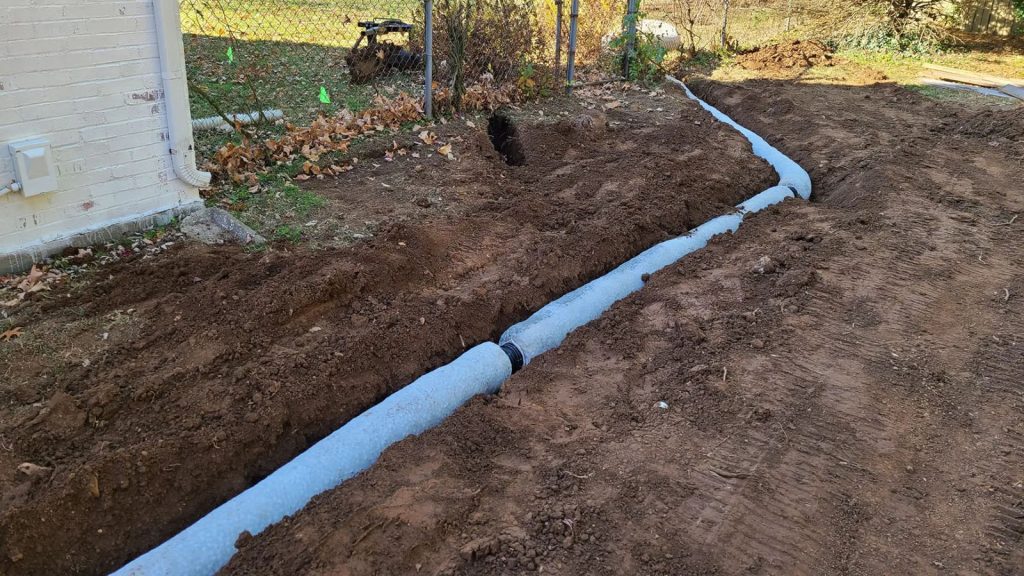
A French drain is a simple yet effective drainage system that helps redirect surface water and excess water away from your property. It uses a slightly sloped trench filled with gravel and a perforated drainage pipe to guide water to a municipal storm drain or a safe area. French drains prevent water buildup around retaining walls, basements, or low-lying areas. If you’re curious about how French drains work and why they’re essential for managing hydrostatic pressure and improving drainage, you’ve come to the right place. Let’s start exploring how an effective drainage can protect your home and yard, whether you are considering installation or curious.
Importance of Managing Surface Water Effectively
Properly managing surface water is critical for protecting your property and preventing long-term damage. Uncontrolled surface water can erode soil, impact the stability of retaining walls, and increase the risk of basement flooding.
If left unresolved, it can lead to structural damage and expensive repairs. A French drain plays a vital role in redirecting excess water, reducing hydrostatic pressure, and maintaining structural integrity. French drains effectively filter and channel water by using materials like water-permeable fabric and a perforated drainage pipe, preventing debris from clogging the system.
Additionally, directing water flow to a storm drain or a designated area ensures that water does not accumulate in undesirable spots. Investing in surface water management is essential for preserving your home’s value and environment.
Identifying Areas With Excess Water Accumulation
Recognizing areas where excess water collects is the first step toward solving drainage issues. Frequent water pooling around your yard, basement, or near retaining walls might indicate drainage problems. Low-lying areas or uneven surfaces often trap surface water during heavy rain.
Signs like soil erosion, standing water, or damp spots near foundations signal inadequate drainage. Observing these areas during and after a storm can help pinpoint trouble spots. Installing a French drain can redirect water from these locations, efficiently resolving accumulation concerns.
The perforated drainage pipe within the system collects and filters water while preventing clogs. Lining the trench with water-permeable fabric ensures durability and enhances performance. Proactively addressing these problem areas minimizes water-related risks, protecting your home and landscaping from long-term damage.
Role Of Perforated Drainage Pipe In Water Flow
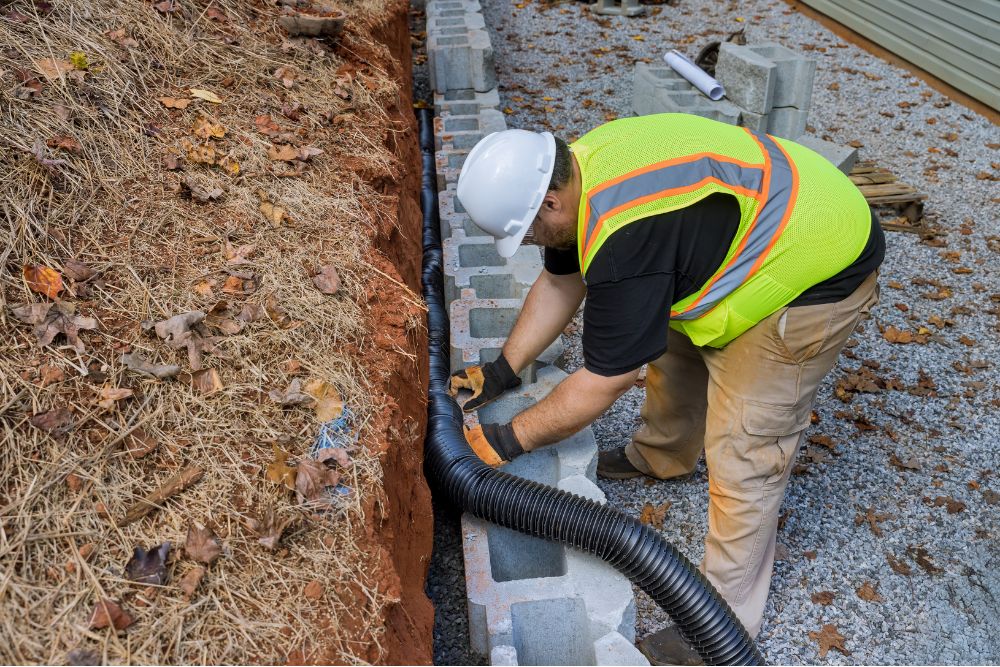
Perforated drainage pipes are crucial in efficiently managing water flow and preventing waterlogging. These pipes are designed with tiny holes that allow water to enter and flow through the system, diverting it away from sensitive areas such as foundations, basements, or landscaping.
Collecting water from saturated soil or pooling areas ensures that excess moisture is effectively drained, reducing the risk of soil erosion and flooding. The perforations also help filter out debris, minimizing blockages and maintaining a continuous flow of effective drainage system.
Incorporating a gravel or crushed stone layer around the pipe further enhances water absorption and prevents sediment buildup. Utilizing perforated drainage pipes provides a reliable solution for managing surface and subsurface water, creating a balanced and well-drained environment.
Preventing Hydrostatic Pressure Around Retaining Walls
Preventing hydrostatic pressure around retaining walls is vital for maintaining their structural integrity and longevity. When water accumulates behind a retaining wall, it exerts pressure on the structure, potentially causing cracks, bulges, or total failure over time.
A proper drainage system, such as perforated drainage pipes, effectively channels excess water away from the wall, relieving this pressure. Placing these pipes at the base of the wall in a gravel-lined trench ensures smooth water flow and prevents water from pooling.
Additionally, water-permeable fabrics can separate the soil from drainage materials, enhancing performance and durability. Regular maintenance, like clearing debris from drains, further ensures efficiency and effective drainage system. Addressing hydrostatic pressure safeguards your retaining walls, preventing costly repairs while preserving your landscape’s appeal and functionality.
Benefits of Using Water-Permeable Fabric in Trenches
Water-permeable fabric plays a crucial role in improving the functionality and lifespan of drainage systems. When used in trenches, this fabric is a filter, separating soil and debris from the surrounding gravel or drainage materials.
This allows water to flow freely into the drainage system and prevents clogs that could compromise its efficiency. The fabric reduces soil erosion within the trench, ensuring the structural stability of the area over time. Additionally, it minimizes maintenance efforts by keeping the drainage system clear of sediment buildup.
Water-permeable fabric is highly durable and resistant to environmental wear, making it a french drain cost solution for long-term drainage management needs. Incorporating this innovative material significantly enhances system performance and protects against water-related damages.
Directing Water Safely to a Storm Drain System

Directing water safely to a storm drain system is essential for effective water management and environmental protection. A well-designed system captures excess water from drainage trenches and channels it into storm drains, preventing water pooling and potential damage to nearby structures.
Flooding risks are reduced by guiding water to these designated areas, and soil erosion is mitigated, maintaining the integrity of the landscape and surrounding infrastructure. Ensuring proper grading during installation helps water flow smoothly, while additional features like silt traps or catch basins can filter out debris before it reaches the storm drain.
This enhances the system’s efficiency and helps protect municipal drainage networks from contamination. An effective storm drain connection safeguards properties and promotes sustainable water management practices.
Installing A French Drain for Property Protection
Installing a French drain is an effective solution for protecting property from water damage and managing excess groundwater. This drainage system consists of a trench filled with gravel or rock containing a perforated pipe that redirects water away from the foundation.
A properly installed exterior french drain reduces the risk of basement flooding, soil saturation, and structural damage caused by poor drainage. Before interior french drain installation, it is crucial to assess the slope and soil type to ensure optimal water flow.
The trench should be dug to the appropriate depth, allowing the pipe to sit below the water table for efficient water collection. Covering the pipe with a layer of gravel and landscape fabric helps prevent clogs from dirt and debris, ensuring the effective drainage system remains functional and efficient over time.
Maintaining the Long-Term Functionality of an Effective Drainage System
Regular inspections and upkeep are vital to maintaining a drainage system’s long-term functionality. Over time, debris such as leaves, dirt, and sediment can accumulate, leading to blockages that compromise efficiency. Cleaning catch basins and gutter systems periodically helps ensure water flows smoothly without obstructions.
For systems like French drains, checking for clogs in the perforated pipe and cleaning out gravel filters can extend their effective drainage systems. It’s also essential to monitor the grading and slopes around the property, as shifts in soil might redirect water flow improperly.
Installing screens or covers over drain inlets can reduce debris entry and prevent frequent clogs. Adopting these maintenance practices guarantees the system’s longevity and protects your property from potential water-related issues.
FAQs
How often should a drainage system be inspected?
It is recommended to inspect your drainage system at least twice a year preferably during spring and fall. Additionally, perform checks after heavy storms to ensure no debris or damage has compromised the flow. Regular inspections help identify issues before they escalate.
What are common signs of a clogged drainage system?
Common signs include water pooling around your property, slow water flow through gutters or downspouts, unusual gurgling sounds, and water back into structures like basements or crawl spaces. Address these signs promptly to avoid larger problems.
Can I maintain a drainage system, or do I need a professional?
Basic maintenance tasks like removing debris or cleaning gutter systems can be done independently. However, consulting a professional for complex issues like clogged French drains or damaged pipes ensures proper repair and system longevity.
How can I prevent leaves and dirt from entering my drainage system?
Installing gutter guards, drain covers, or screen filters is an effective way to minimize debris entry. Regularly trimming nearby trees and cleaning outdoor spaces can also reduce the buildup of leaves and dirt around the drainage system.
Conclusion
This guide has provided valuable insight into maintaining and protecting your french drain system. You can ensure a long-lasting and efficient system by recognizing common issues early, performing regular maintenance, and taking preventative measures like installing gutter guards or drain covers. While some tasks can be managed independently, seek professional help for more complex problems to avoid costly damage and ensure thorough solutions. Proper care of your drainage system protects your property from water damage and saves you time and money in the long run. Remember, a well-maintained drainage system is crucial for the safety and value of your home or property. Take action today!