
Common Signs and Symptoms of Drainage Issues You Shouldn’t Ignore
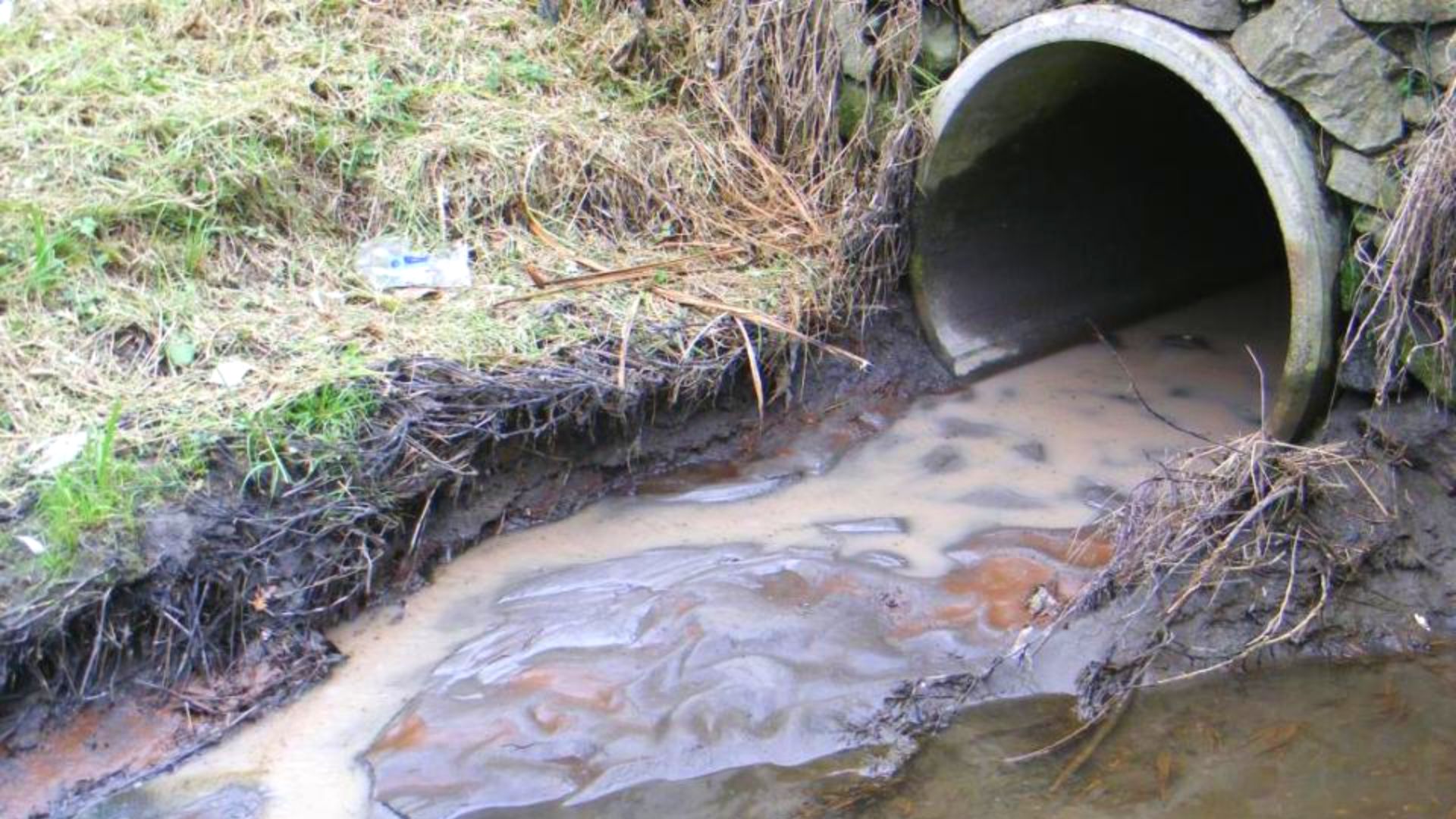
Drainage issues can lead to costly problems if ignored, so spotting the signs early is important. Whether it ‘spooling water in your yard, slow-draining sinks, or excessive moisture near foundation walls, these are all red flags that your drainage system might not be working properly. Poor drainage can cause soil erosion, attract pests, and damage your home’s structure. Simple signs like compacted soil or blocked drains can point to bigger issues like broken pipes or drainage systems that fail to drain properly. If you’re noticing any of these problems, consider a solution like French drains. Let’s start by identifying these common signs and symptoms of drainage issues.
Pooling Water Near Foundation Walls or Yard Areas

Pooling water near foundation walls or in yard areas is a significant indication of bad drainage. When water fails to drain properly, it can seep into your foundation, causing cracks and structural damage over time. Excessive moisture around foundation walls weakens them and can lead to mold growth, creating unhealthy living conditions.
Often, compacted soil can exacerbate this problem by effectively preventing water from being absorbed into the ground. Additionally, drainage issues like a broken pipe or clogged drainage systems can result in stagnant water pooling in your yard.
This can attract pests such as mosquitoes, creating further complications. Addressing these issues promptly, such as installing a drainage system or addressing soil compaction, can help protect your home and landscape, ensuring you avoid costly repairs due to prolonged water exposure.
Draining Sinks or Standing Water Indoors
Slow-draining sinks or standing water indoors signal potential problems within your drainage system. This could be caused by a blocked drain or a broken pipe disrupting water flow. When water drains slowly, it can lead to excessive moisture buildup within your home, encouraging the growth of mold and mildew, which can cause health problems.
Another concern is pests, which are attracted to damp environments, causing additional challenges for homeowners. Over time, untreated slow drains may strain your plumbing system unnecessarily, leading to more severe and costly repairs.
These issues often start with a small blockage but can become major problems if ignored. Regular maintenance, checking for clogged pipes, and addressing minor yard drainage issues early can prevent indoor water accumulation and preserve the health of your home’s plumbing.
Excessive Moisture Damaging Root Systems or Landscaping
Excessive moisture resulting from poor drainage can wreak havoc on your landscaping, particularly by damaging the root systems of plants and trees. When soil becomes waterlogged, roots are deprived of vital oxygen, leading to decay and eventual plant death. This condition, often called root rot, can destroy gardens and make it difficult for new plants to thrive.
Furthermore, excessive water can alter soil composition, washing away essential nutrients and leaving an environment less supportive of healthy plant growth. Decorative landscaping elements such as shrubs, flowers, and grass are especially vulnerable and may require costly replacements.
Addressing drainage issues promptly through solutions like grading your yard, installing proper drainage systems, or creating rain gardens protects the aesthetic appeal of your landscaping. It ensures the longevity of your outdoor investments.
Soil Erosion Caused by Bad Drainage or Overflow
Improper drainage or frequent overflow can result in significant soil erosion around your property. When water is effectively managed, it flows smoothly across your yard, dislodging soil particles and depleting the ground of its structure and fertility.
Over time, this erosion can lead to uneven surfaces, exposing tree roots and destabilizing pathways or foundations. Fertile topsoil is often the first to be eroded, leaving less productive dirt unsuitable for vegetation, further exacerbating drainage problems as plants that typically slow water flow struggle to survive.
Soil erosion also increases the risk of sediment runoff, which can clog nearby storm drains, ponds, or streams, creating additional environmental concerns. Mitigating soil erosion involves implementing drainage strategies such as retaining walls, swales, or strategically placed vegetation to redirect water flow and safeguard the integrity of your property.
Compacted Soil Preventing Proper Water Absorption and Flow
Compacted soil poses a significant challenge in maintaining effective water absorption and flow. When soil becomes overly compressed, the spaces between soil particles diminish, drastically reducing its capacity to retain and absorb water. This can result from heavy foot traffic, machinery use, or poor landscaping practices.
Water that cannot infiltrate compacted soil instead pools on the surface, increasing the likelihood of runoff and erosion. Additionally, plants in such areas struggle to extend their roots into the dense substrate, leading to weakened vegetation and reduced ground cover, further exacerbating the water flow problem.
Methods such as aeration, applying organic matter, or planting deep-rooting vegetation can break up the compacted layers and improve water absorption to address compacted soil. By mitigating soil compaction, you can reduce water runoff and support healthier, more sustainable landscaping.
Broken Pipe Leading to Leaking or Drainage Failures

A broken pipe can easily become a major contributor to leaking and drainage failures on your property. When pipes used for water or drainage systems develop cracks or breaks, water escapes uncontrollably, potentially eroding the surrounding soil and destabilizing the ground structure.
These leaks can saturate the soil, causing pooling water or even flooding in severe cases, which compromises landscaping and damages nearby structures. Broken sewer pipes must also be more consistent in the intended water flow, resulting in efficient draining or unintended overflows that encourage erosion and waterlogging.
Identifying and repairing broken pipes promptly is critical to preventing escalating damage. Regular inspections, using advanced tools like cameras for underground pipes, can help ensure issues are caught early. Additionally, replacing damaged segments or using durable pipe materials can mitigate the risk of future failures, contributing to a more reliable drainage system.
Pests Attracted by Stagnant Water and Damp Environments
Stagnant water and damp environments created by drainage failures can become a breeding ground for pests. Mosquitoes are among the most common nuisances, as they thrive in standing water to lay their eggs, leading to increased risks of diseases such as West Nile virus or dengue fever.
Other pests like cockroaches and flies are also drawn to wet and decaying areas, while rodents may seek shelter in damp spaces. Once these pests establish themselves, they can spread quickly throughout your property, exacerbating sanitation concerns and potentially causing further damage. Addressing stagnant water is essential in minimizing these infestations.
Ensuring proper drainage, utilizing pest-repellent methods, and swiftly removing standing water are key to reducing these risks. Regular maintenance and cleanings are effective strategies to maintain a healthy, pest-free environment in affected areas.
Visible Signs of Water Damage on Walls or Flooring
Unaddressed drainage failures can lead to visible signs of water damage on your property’s walls, floors, and other structures. Persistent moisture seeps into building materials, leading to discoloration, peeling paint, and warped surfaces. You might notice bubbling paint or dark streaks on walls, indicating prolonged water retention.
Flooring can suffer equally, with wood planks swelling, buckling, or separating, making previously flat surfaces uneven. Additionally, damp environments encourage mold growth, resulting in unsightly black or green spots, further degrade materials, and pose health hazards.
These visual indicators often signal deeper structural problems that could worsen without timely intervention. Preventative measures, such as sealing cracks, improving ventilation, and addressing leaks quickly, play a crucial role in reducing water damage. Regular inspections can also help identify early signs of trouble, ensuring long-term structural integrity.
FAQs
What are the common causes of water damage in buildings?
Water damage commonly occurs due to leaking pipes, roof damage, poor drainage, or flooding. Cracks in foundations and aging plumbing systems can also contribute to it. Identifying and repairing these issues proactively helps prevent extensive structural damage.
How can I identify water damage early?
Look for signs like discoloration, peeling paint, warped flooring, or a musty odor. Bubbling or streaking on walls often signals moisture retention, while spotting black or green mold growth indicates prolonged dampness that needs immediate attention.
Can water damage lead to long-term structural issues?
Yes, prolonged water exposure weakens the integrity of wood, drywall, and concrete. This can cause warping, rot, or corrosion, leading to costly repairs. Regular maintenance and early intervention are critical to mitigate these risks.
What steps can I take to prevent water damage?
Install proper drainage systems, seal cracks, and ensure good ventilation. Conduct routine inspections of roofs, pipes, and plumbing. Fix leaks promptly to avoid moisture buildup, and consider applying water-resistant coatings to vulnerable areas.
Conclusion
I hope this guide has provided valuable insights into the causes, identification, and prevention of water damage. Understanding common warning signs and taking proactive steps, such as regular inspections, proper maintenance, and swift repairs, can protect your property and avoid costly structural issues. Remember, water damage is often progressive, meaning early detection is key to minimizing its impact. Investing in preventative measures like sealing cracks, maintaining drainage systems, and improving ventilation can save you time, money, and stress in the long run. Don’t hesitate to consult a professional if you suspect serious water damage, as their expertise can prevent further complications. Taking these precautions ensures the safety, longevity, and value of your home or building.