
Choosing the Right Area Drain: Materials, Grate Styles, and Flow Capacity Explained
Drains are an essential part of any outdoor space, whether it’s a residential or commercial property. They help to prevent water from pooling and causing damage, as well as keeping your outdoor areas clean and safe. However, with the variety of drains available on the market, choosing the right one can be a daunting task.
This guide will break down the different types of area drains commonly used, their construction materials, and how to select the best one for your specific needs. By understanding these key factors, you’ll be able to make an informed decision when it comes to choosing the right area drain for your yard or driveway. And with proper installation and maintenance, you can ensure that your chosen drain will effectively serve its purpose for years to come. So let’s dive in and explore the world of area drains!
Types of Drains
There are several types of area drains available, each with its own unique features and functions. The most common types include trench drains, catch basin drains, and french drains.
Trench Drains
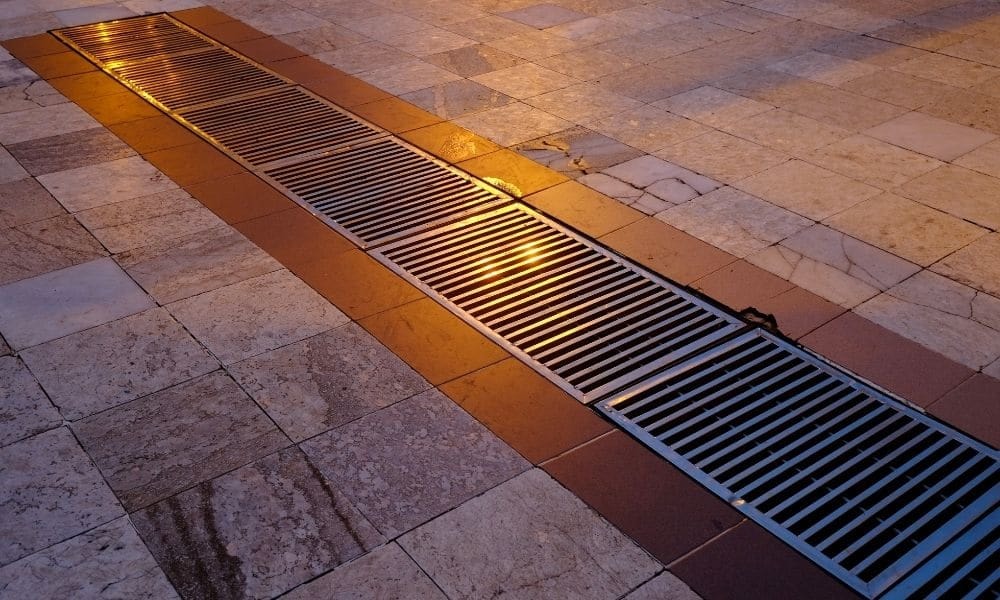
Trench drains, also known as channel or linear drains, are long narrow drainage systems that collect and redirect water along their length. They typically consist of a long drain channel made from materials such as plastic, concrete, or polymer concrete and come in various widths to accommodate different flow rates.
With their sleek and discreet design, trench drains are ideal for areas with heavy foot traffic, such as patios, driveways, and pool decks. And with the option to add grates, they can also serve as a decorative element in your outdoor space.
Catch Basin Drains
Catch basin drains, also known as stormwater pits or sumps, are designed to collect excess water from large areas and transport it to a drainage system or sewer. They are typically constructed with a concrete or plastic basin and a grate or lid on top, allowing for easy access for maintenance.
And with various sizes and shapes available, catch basin drains can be customized to fit specific needs. Also, they can be connected to multiple pipes for more efficient water management. So if you have a large outdoor area with heavy rainwater flow, catch basin drains are often the best choice.
French Drains
French drains, or weeping tile drains, redirect excess water away from building foundations. They involve a trench filled with gravel or rock and a perforated pipe that collects and moves water away. Unlike trench or catch basin drains,
French drains lack a visible grate or lid on top, blending seamlessly into the landscape. However, they require a slight slope to ensure proper water flow. This simple yet effective system protects structures from water damage and prevents pooling around foundations.
What Material to Choose
Drains are made from various materials, each with its own advantages and disadvantages. And while the material used may not seem like an important factor, it can greatly affect the durability and effectiveness of your drain.
Plastic
Plastic is a popular choice for drains due to its cost-effectiveness and lightweight construction. However, plastic drains may not be as durable as other materials and can crack or break under heavy loads or extreme temperatures. And while they are resistant to corrosion, they may not be suitable for high traffic areas.
Concrete
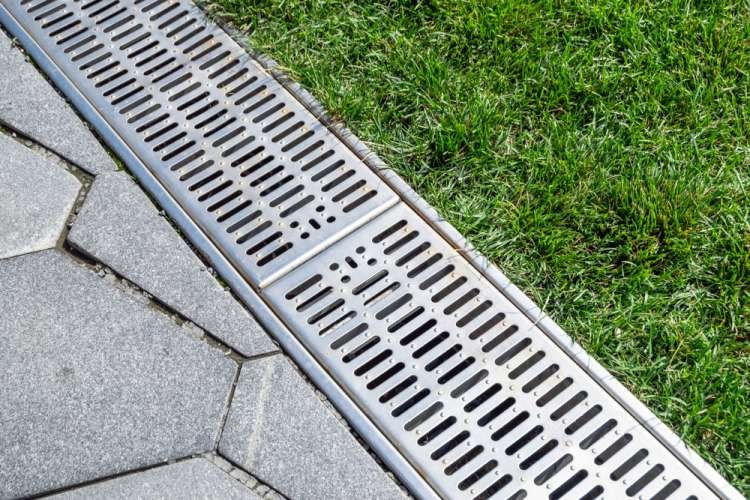
Concrete is a sturdy and durable option for drains, making it ideal for heavy-duty applications. It can withstand extreme temperatures and heavy loads, making it suitable for high traffic areas. However, concrete drains can be more costly compared to other materials and may require professional installation due to their weight. Also, over time, concrete can erode and become susceptible to cracks.
Polymer Concrete
Polymer concrete is a blend of polymer resin and aggregates, which provides the strength and durability of traditional concrete with added benefits. It is lightweight, making it easier to handle and install compared to standard concrete. It also offers resistance to corrosion and erosion, making it suitable for high traffic areas and harsh environments. Additionally, polymer concrete drains are available in various colors and designs, making them a popular choice for aesthetic purposes.
Wider is not Always Better
When selecting an area drain, the size and flow capacity should also be taken into consideration. While a wider drain may seem like the obvious choice for managing large volumes of water, it may not always be the most efficient option.
A larger drain will require more maintenance to keep clean and prevent debris from clogging the system. It can also lead to higher installation costs and potentially cause unnecessary excavation work. In some cases, having multiple smaller drains strategically placed can provide better water management than one large drain. So, it’s essential to consider the flow capacity and placement of drains to ensure optimal functionality.
Flow Capacity Explained
The flow capacity of a drain refers to the amount of water it can handle at a given time. It is typically measured in gallons per minute (GPM). The type and size of the drain will determine its flow capacity, but other factors such as slope and pipe size also play a role.
When choosing an area drain, you should consider the average rainfall in your area to ensure it can handle expected water levels. It’s also important to note that debris buildup in drains can significantly impact their flow capacity, so regular maintenance is crucial for optimal performance. And in cases of heavy rainfall, having a backup plan for excess water, such as overflow pipes or multiple drains, is always recommended.
Professional Installation and Maintenance
While some area drains may seem simple enough to install on your own, it’s always best to hire a professional. Proper installation plays a significant role in the effectiveness and durability of your drain. And experienced professionals have the necessary knowledge and tools to ensure proper placement, slope, and connection to existing drainage systems.
Regular maintenance is also crucial for keeping your area drain functioning correctly. Clearing debris buildup and inspecting for damage can prevent costly repairs down the road. So it’s essential to schedule regular maintenance check-ups with a professional. And if any issues arise, it’s best to address them promptly to avoid further damage or water-related problems in your outdoor space.
Trust OKC Drainage Pros for Expert Area Drain Services
When it comes to proper drainage solutions, choosing the right area drain is crucial. That’s where OKC Drainage Pros comes in. Our team of professionals has years of experience in designing and installing effective area drains tailored to your specific needs.
We understand that standing water can cause serious issues for your outdoor space, from erosion and property damage to creating a breeding ground for pests. That’s why we offer quick and efficient solutions through our expertly installed area drains.
Our services include installing grates at low points, connecting the system to pipes for redirection, and preventing pooling and erosion while maintaining the aesthetics of your property. With our customized approach, you can trust us to provide high-quality area drain services that effectively address your water problems.
Don’t let standing water compromise the value and safety of your property. Contact OKC Drainage Pros today for a consultation and get a free estimate to start protecting your outdoor space from excess water.
FAQs
What materials are best for managing excess water and surface water?
Materials like galvanized steels are commonly used in drain systems due to their durability and effectiveness in directing excess water and surface water away from problem areas. These materials can handle heavy water runoff without rusting or weakening, making them ideal for long-term use.
How do drain systems prevent soil erosions and water accumulation?
Properly designed drain systems help redirect excess water and water runoff to prevent soil erosions. By ensuring efficient flow rates, they minimize water accumulation and pooling water, protecting the surrounding soil from damage and maintaining a healthy landscape.
Why is galvanized steel a good choice for area drains?
Galvanized steels are resistant to rust and corrosion, making them suitable for handling water runoff and standing water. These materials also prevent clogging by resisting damage from other debris, ensuring that drain systems run efficiently over time.
How can an area drain handle pooling water and standing water?
An area drain is designed to manage pooling water and standing water by improving flow rates and directing liquids away from problem areas. It works with the surrounding soil to filter out other debris, ensuring that water is properly redirected and preventing issues like soil erosions or structural damage.
Conclusion
In conclusion, a properly installed and maintained area drain is crucial for effective water management in outdoor spaces.
When selecting an area drain, factors such as material, size, and flow capacity should be considered. It’s also essential to hire professionals for installation and regular maintenance to ensure optimal functionality and prevent costly repairs down the road. Trust OKC Drainage Pros for expert area drain services tailored to your specific needs.
Contact us today to protect your property from standing water issues.